
Why should you learn programming during the COVID-19 pandemic (2020-21)?
The year 2020 will be remembered as a historic year. The world is grappling with Novel Coronavirus or Covid-19. Millions of people have been affected in the world, resulting in more than 2.27 Million deaths globally (January 2021 statistics). The World Health Organization has declared it a pandemic.
The authorities all over the world have resorted to unconventional methods such as lockdown, social distancing, and curfew to combat the viral disease. Although the lockdown and restrictions are being lifted gradually, the virus is still lurking and affecting people.

The pandemic brought a multitude of social changes as people were restricted to their homes. People resorted to online resources to find the latest news about the Coronavirus, share their thoughts, and/or simply pass their time.
Similarly, educational institutes shifted to online learning during the lockdown. They have been using different video conferencing software and apps such as Zoom, WhatsApp Video, Apple’s Facetime, Skype, etc.
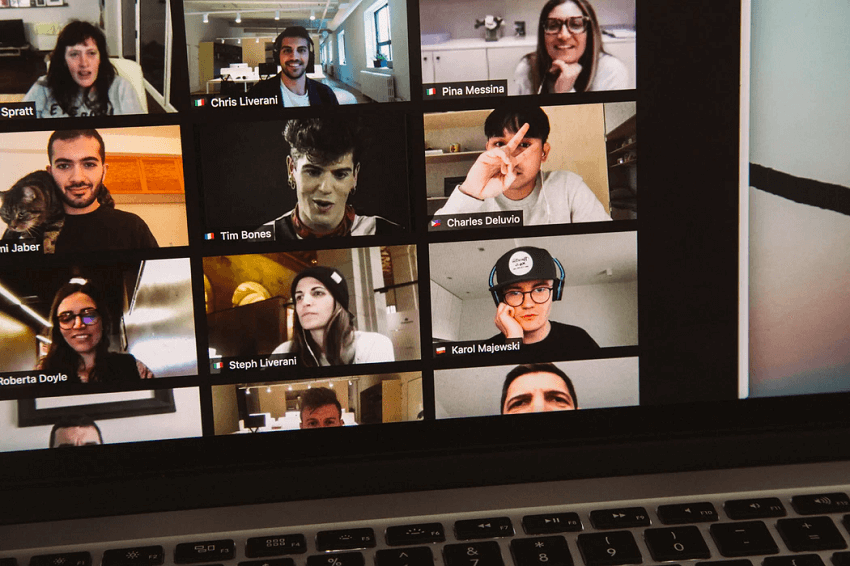
Businesses and companies opted for a work-from-home model . Big companies like Facebook have also implemented a work-from-home model for their employees. Due to the pandemic, people have more time to spare (because of less travel, limited outings, and fewer day-to-day outdoor activities in order to mitigate covid-19). More time at home means more opportunities to learn new skills and advance your career. One of the best skills to learn these days is to learn how to code. Let's look into the details on how learning programming could be just the right skill for you before the pandemic ends.
Due to the covid-19 pandemic people have been more interested in remote/online job opportunities. Despite regression in other industries, the IT industry has shown resilience and is still managing to provide job opportunities. But to avail these opportunities, you need to learn at least one programming language. Now you may ask which programming language you should learn? The best answer is Javascript.
Why learn JavaScript?
JavaScript is one of the most popular programming languages in the world. Similarly, it is also the most sought-after language for jobs. The salary of a junior JS developer ranges anywhere between 60K-140K. JavaScript has the edge over its competitors due to its versatility. It is the only language that can be used for front-end, back-end, and full-stack development. You can also develop mobile and desktop apps with it. Now you may be wondering how you should learn Javascript?

iLoveCoding’s Curriculum
iLoveCoding’s solid curriculum makes you a confident full-stack Javascript developer. It builds the foundation by first teaching HTML and CSS. Once you master these tools, you can move forward to learn JavaScript. Then you can add to your skills by gradually learning JavaScript libraries and frameworks until you become a full-stack developer. With dedicated time you can become a full-stack Javascript developer in just five months. Ilovecoding’s curriculum consists of the following topics: HTML, CSS, Javascript, Node.js, React.js, Angular.js, Express.js, JQuery, Bootstrap, MongoDB, and much more. Not only do you learn these topics with videocasts training, but you also get to practice your skills with tons of practice projects. In addition, you have a mentor-led student community that is there to help and guide you whenever you need it. You can share your questions, concerns, or your code with your mentor and peers and get feedback. Check out iLoveCoding’s full curriculum here.
Some of the benefits of learning online Here we have enlisted some of the benefits of learning online or distance learning.

Flexibility: learning online provides you the flexibility to choose appropriate time according to your circumstances and needs. You can learn anytime during the day or at night. This is particularly important for people who are working remotely, students, housewives, and others. You can also decide how much time you want to spend daily.
Convenience: Online education is convenient. You don’t have to leave your home, which is particularly important at this time of self-isolation. You can sit anywhere in your house comfortably, lying down in your bed or standing up.
Economical: Online learning is generally inexpensive. Some organizations and universities offer online courses such as Harvard and MIT. You get the same material that their graduates learn from. Some distance educational institutes have slashed fees to attract more learners.
Provides a pastime: Learning online could be fun if you have friends learning along with you. If you are taking live classes through Zoom, you can talk to your peers. This activity provides an opportunity to socialize and kill some time. It is really important in this stressful time, and it helps ventilate negative energy.
Updating and Refreshing Current skills: You can brush up on already learned skills that are relevant to your job or education. This will help you not only in short-term, you can leverage it for getting better opportunities as well as for getting promoted and job enrichment in the long-run. This is a golden opportunity to learn all skills that you promised and wished to learn.Programmers can learn new languages and tools.
Some of the cons of online learning
Despite its usefulness and recent popularity, learning online has its flip side. Some of the cons that can be attributed to online learning are:
Most of the time, online resources such as MOOC lack support, which is very crucial for beginners. If you get stuck somewhere, you need to google your problem. If you are lucky, you may find the answer quickly, but you get inundated with information and lose track in most cases.
Similarly, you need a mentor or guide in your journey to learn online. Most of the online education programs lack this important factor. The mentor will guide you through the information overload. S/he will tell you the tips and tricks which will shorten your learning curve.
Procrastination can be a big problem when it comes to e-learning. You may skip on important material just because you were feeling lethargic. Quality may be compromised when it comes to online education. Recently, many universities had to stop their online classes due to complaints by students of poor quality.
Work-from-home model
When the lockdown was imposed, businesses had to find a way to work. Thanks to the internet and the web, now we have an alternative. People were asked to work from their homes. Not all businesses could resort to this model, such as brick and mortar businesses; however, the software houses and technology companies readily shifted to this model, including tech giants such as Facebook and Twitter.

Facebook and Twitter> have liked this model so much that they have decided to continue it even after the lockdown is lifted. But it stated that the salary would be restructured. Experience and location would be the decisive factors to be eligible for this model. Following the trend, Silicon Valley and other IT companies will pursue this path and we are going to see this model in the near future.
Some of the helpful tips for distance learning
To maximize the benefits of distance learning, we have jotted down some helpful tips.

- Stick to a time-table or Schedule. Set a specific time for online learning and other mundane activities.
- Designate a specific area in your house that is exclusive for work and learning, away from noise and distractions.
- Take breaks. Sitting in one posture for a long time can be harmful to your body. Take a 5-minute break after 25 minutes or a 10-minute break after 50 minutes. This will keep lots of things in check, including digestion and mental health.
- Take notes. Just like real-life classes, you should have a notebook nearby to jot down pointers. You may use word processors or a mobile app if you prefer typing.
Conclusion
As you have seen, the Covid-19 pandemic disrupted normal life. However, it has also provided opportunities such as distance learning and remote work. Self-quarantine and lockdown provided ample time to pursue the skills and passion we all wanted to learn. Learning to program, especially JavaScript, has been a vital trend during Covid-19. JS development has a wide scope for jobs, freelancing, teaching, and entrepreneurship.
What are you doing during the lockdown? Did you learn any programming language? Let us know in the comments.